

Our insights
- Training Strategies
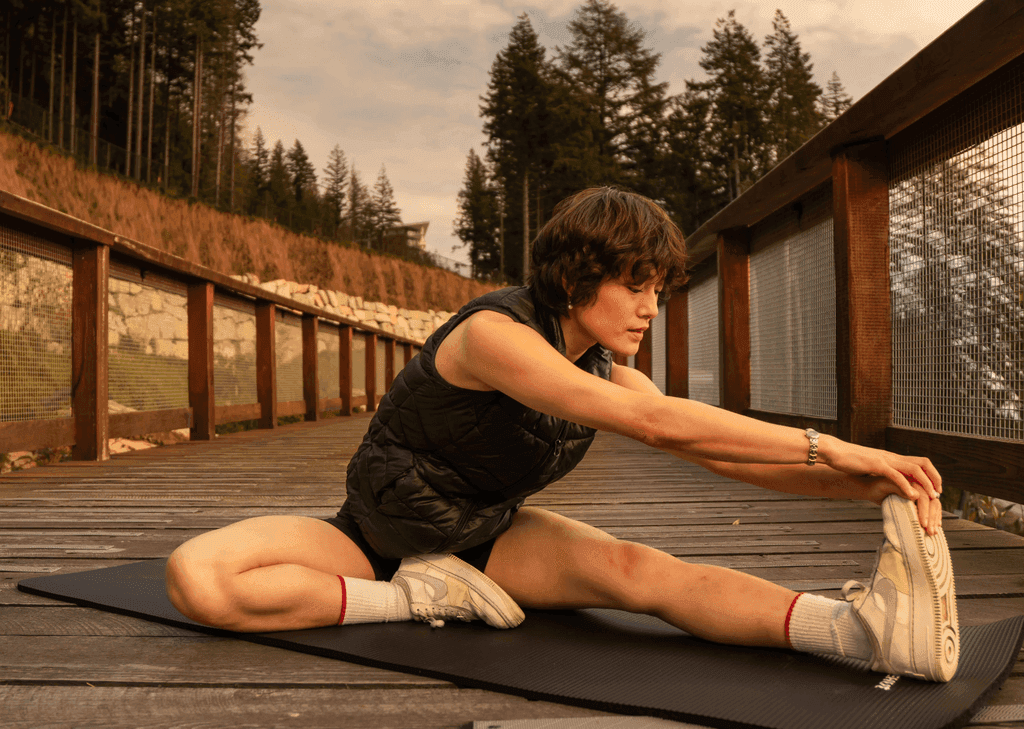
The role of stretching: what it does and doesn’t do
Stretching is often treated as a warm-up formality or a cool-down ritual—with little attention paid to the neurological and biomechanical nuances that distinguish one method from another. Stretching isn’t a one-size-fits-all practice. It’s a tool. And the way it’s applied should depend on the outcome you’re targeting—whether that’s joint integrity, end-range control, fascial tensioning, or recovery.
- Body Mechanics

What is scapular winging, and how do we treat it?
Scapular winging occurs when the medial (inner edge) and inferior (bottom corner) aspects of the scapula (shoulder blade) lift away from the rib cage. This often becomes visible during scapular depression and retraction (pulling the shoulder blade down and towards the spine), but in many cases can also be seen at rest.
- Body Mechanics

What is scapulo-humoral rhythm, and why does it matter
Scapulohumeral rhythm describes the coordinated movement between the shoulder blade (scapula) and the upper arm bone (humerus) during arm elevation, such as abduction. After the first ~30 degrees of humeral abduction (think of the early part of a lateral raise), the scapula begins to upwardly rotate in a consistent 2:1 ratio with the humerus — for every 2 degrees the humerus moves, the scapula rotates 1 degree.
- Body Mechanics
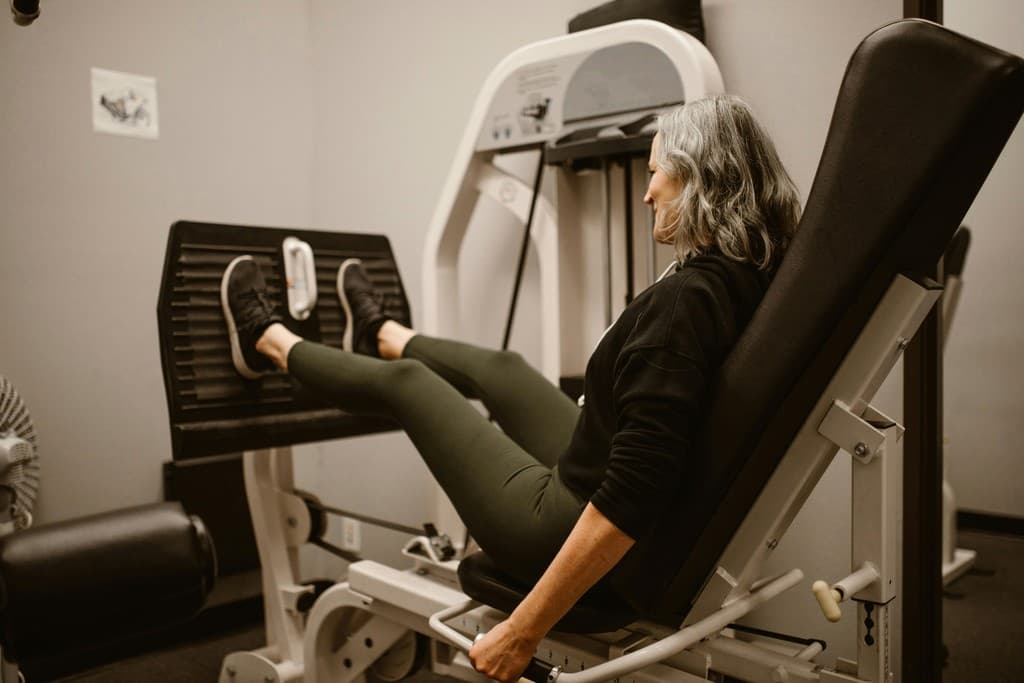
When synergists take over: primary vs. compensatory pelvic stabilizers (TFL + QL dominance)
The primary stabilizers of the Lumbopelvic-Hip Complex (LPHC)—namely the glute max, glute med, medial hamstrings (semimembranosus/semitendinosus), transverse abdominis, and obliques—are responsible for centring the pelvis, controlling rotation, and maintaining neutral spine during movement. When these become underactive or neurologically inhibited, the body will seek secondary stabilizers to maintain functional movement, albeit at a cost to efficiency and joint health.
- Body Mechanics

What an anterior pelvic tilt is, what it means for you, and how you can fix it
Anterior pelvic tilt isn’t just a posture issue—it’s a functional limitation that disrupts load transfer, breathing mechanics, and core stability. In a healthy body, the pelvis should move freely between anterior and posterior tilt to accommodate different positions and loading demands (e.g., squatting, walking, jumping).
- Training Strategies
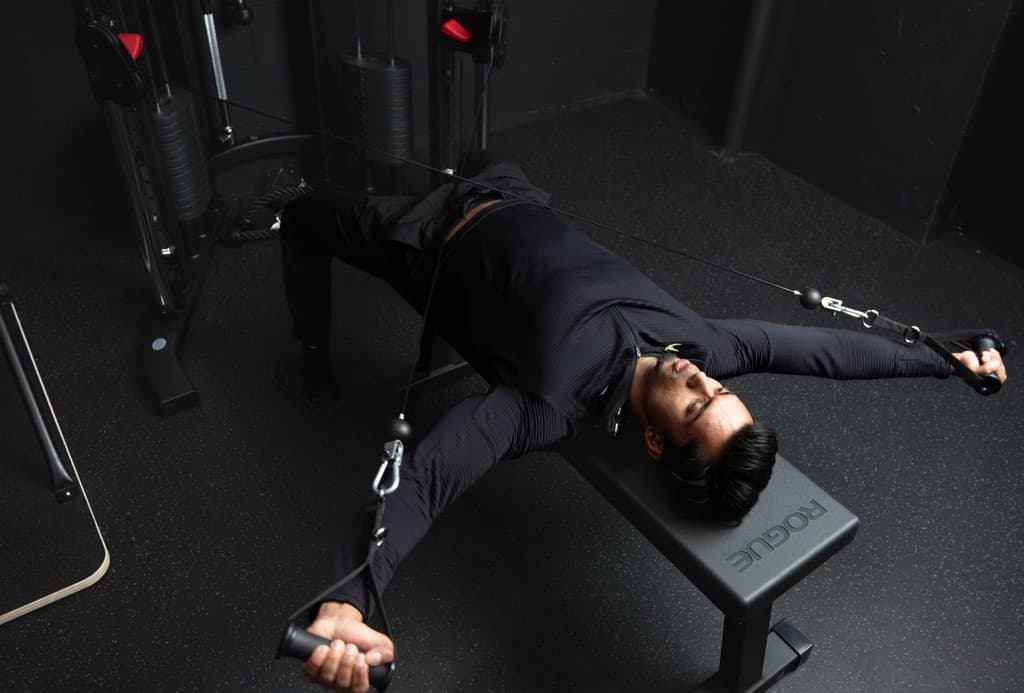
Integrating functional training and mobility work into hypertrophy
Traditional bodybuilding has long emphasized isolated, rigid movements to maximize muscle growth. The common belief is that hypertrophy—defined by increased muscle size—requires machines, stable positions, and linear loading. Meanwhile, functional training—focused on movement quality, joint integrity, and real-world performance—is often viewed as incompatible with muscle development.
See it on one of your clients.

Free for trainers